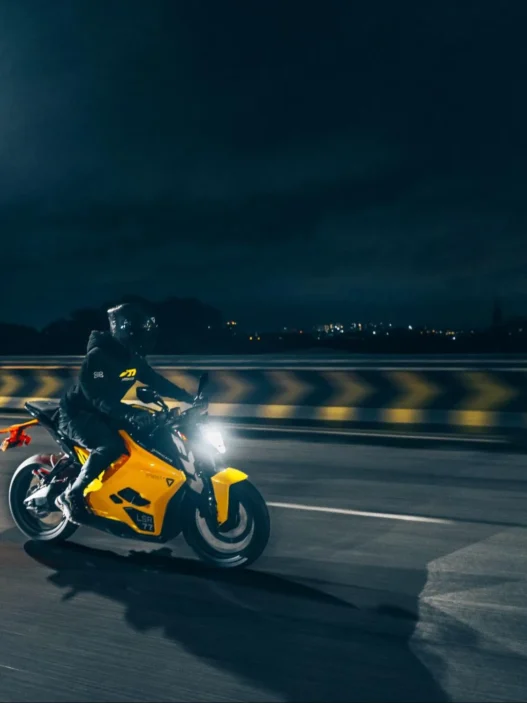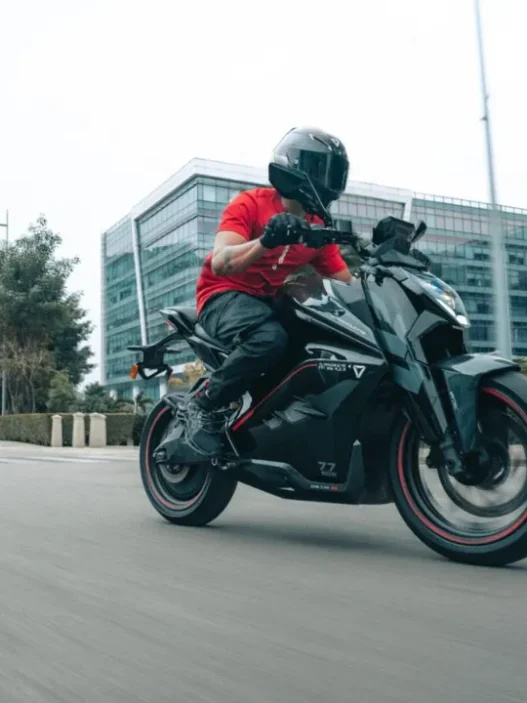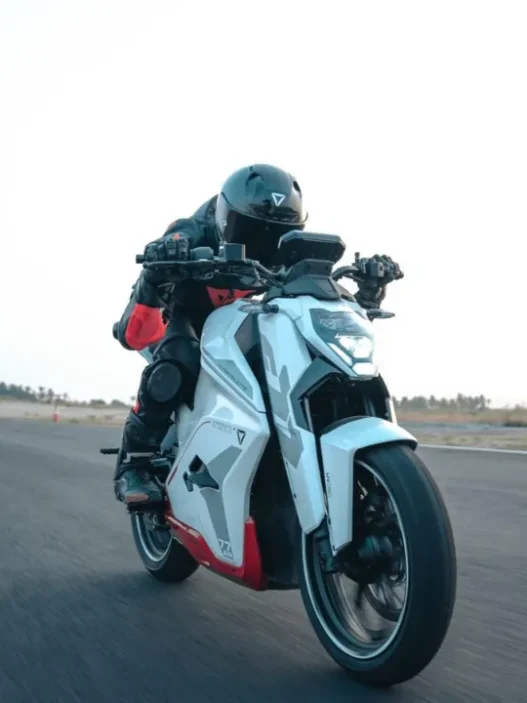









Racing with Electric Motorcycles has always been about raw speed, adrenaline, and pushing limits. But the track is changing. Today, a new era of racing is emerging – one led by high-performance electric motorcycles that are fast, futuristic, and whisper-quiet. These machines are not only challenging fuel-powered superbikes but also reshaping what performance means in the world of motorsport.
This article is crafted for readers across the spectrum – whether you’re a racer, an engineer, or a curious enthusiast wanting to understand the evolution of high-speed biking. We’ll explore the advantages, challenges, and game-changing innovations electric racing brings to the table.
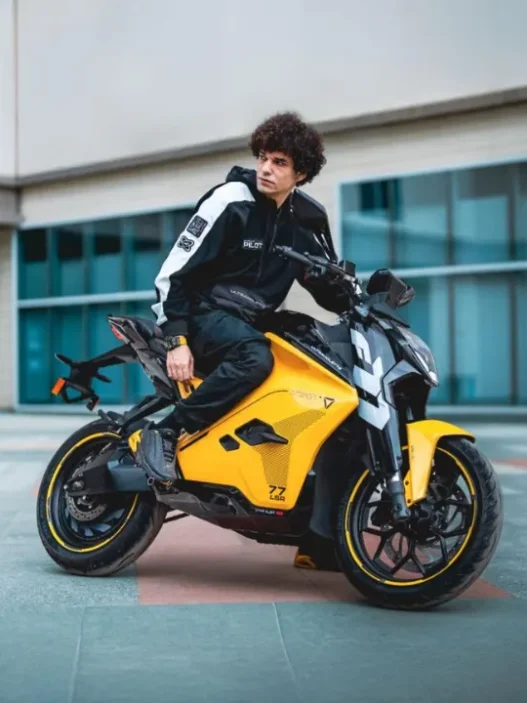
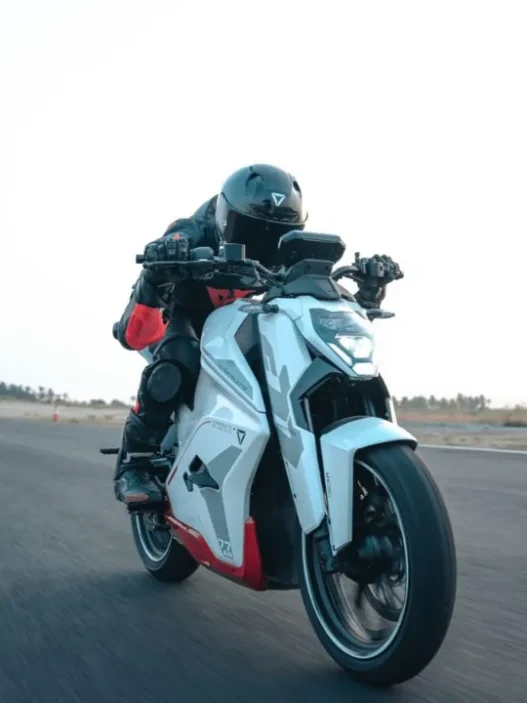
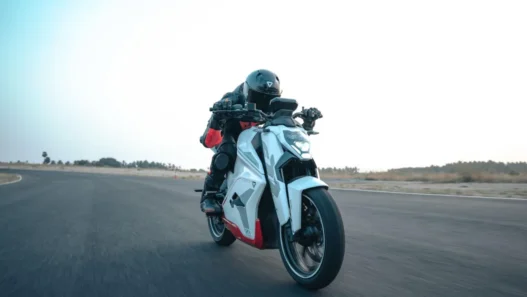
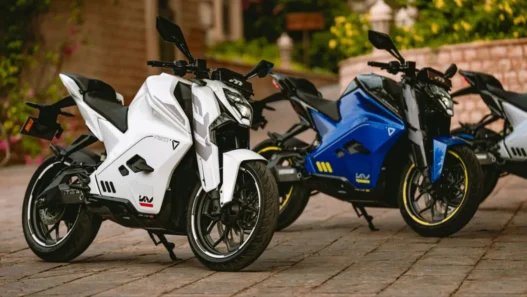
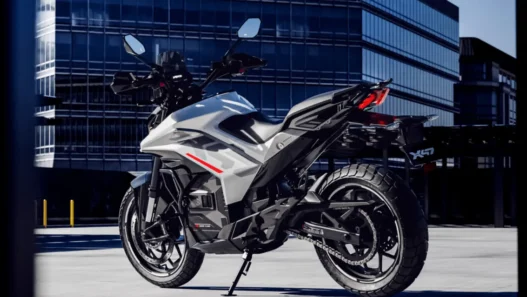
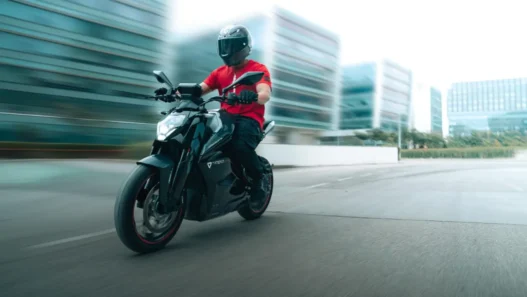
And at the heart of this shift stands the Ultraviolette F77 Mach 2 – India’s most advanced electric performance motorcycle. Here’s why it’s built for the future of speed, power, and precision.
Why Electric Motorcycles Are Changing Racing Forever

If there’s one factor that defines the impact of electric motorcycles in racing, it’s instant torque delivery. Unlike traditional petrol-powered bikes that build power gradually through gear shifts and revving, electric motorcycles unleash maximum torque the moment you twist the throttle. It’s not just acceleration — it’s a rocket-like launch waiting for the signal.
This fundamental difference is redefining how races are run, and how riders approach speed strategy on the track.
Here’s how electric motorcycles are rewriting the rules of traditional racing:
1. Mind-Blowing Acceleration:
Anyone who’s ever revved a petrol motorcycle knows there’s a brief lag between throttle input and actual power delivery. In contrast, electric motorcycles eliminate that delay entirely. The power kicks in the instant you twist the throttle, translating into unbelievably fast acceleration that catches even seasoned riders off guard.
2. Some electric superbikes:
Including performance-focused models like the Ultraviolette F77 Mach 2 – can accelerate from 0 to 100 km/h in under 3 seconds, outpacing many high-end sports cars. On the racetrack, this kind of instant launch delivers a serious competitive edge.
3. No Gears, No Clutch Just Pure Speed:
Conventional racing motorcycles lose time during every gear shift. Electric motorcycles eliminate that with a clutch-free, single-speed system, offering smooth and continuous acceleration. This allows riders to stay fully focused on the throttle and track — a critical advantage when milliseconds can decide podium positions.
4. Super Low Maintenance:
Electric motorcycles have fewer moving parts, meaning no oil changes, no clutch wear, and no engine tuning delays. This increases reliability and frees up race teams to spend more time optimizing performance rather than dealing with time-consuming mechanical upkeep.
5. Racing Without The Noise (But Not Without The Thrill):
For decades, the roar of petrol engines has defined the racing experience. But electric motorcycles are changing that with silent acceleration that still delivers an intense adrenaline rush. This lack of engine noise not only heightens rider focus but also removes noise restrictions, enabling electric racing events to take place in urban environments — from city circuits to tech parks — without disturbing the surroundings.
6. Green Racing – Because The Planet Matters:
Today’s motorsports are evolving to become more sustainable, and electric motorcycles are leading that shift. With no fuel combustion and zero tailpipe emissions, electric racing presents a cleaner, eco-conscious alternative to traditional formats. This transition helps reduce motorsport’s environmental footprint, making way for a future where high-speed thrills and environmental responsibility can go hand in hand.
But Wait, It’s Not All Perfect—The Challenges of Electric Motorcycle Racing

While electric motorcycles bring undeniable advantages to the world of racing — from instant torque to eco-friendly performance — they also come with their own set of practical challenges. These obstacles can slow down adoption and raise concerns for both casual riders and professional teams.
Below are some of the key barriers facing electric motorcycles today, along with the innovations and solutions currently in progress to address them:
1. Battery Life & Charging Time:
The biggest hurdle in electric motorcycle racing? Battery range and charging time. Unlike petrol bikes that refuel in seconds, electric motorcycles require longer charging intervals — a critical limitation during endurance races or multi-lap events. If a rider runs low on charge mid-race, there’s no quick fix like a fuel refill.
To overcome this, racing teams are actively developing two game-changing solutions:
Battery swap systems for rapid changeovers during pit stops
Ultra-fast charging technology to significantly reduce downtime
These innovations are shaping the future of electric racing — where speed won’t just come from the bike, but from how fast you can power it back up.
2. Heavy Batteries = Handling Issues:
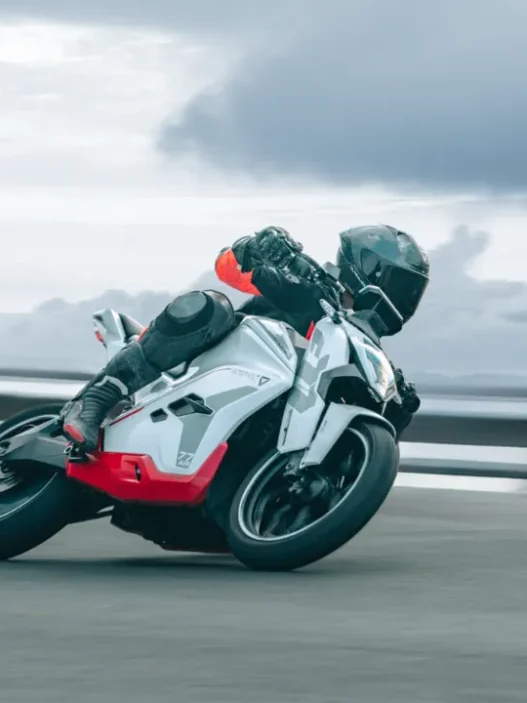
While a larger battery boosts range, it also adds extra weight — a critical consideration in racing. In high-speed competitions, a heavier motorcycle can be harder to control, especially during tight cornering and quick directional changes. This is why weight management remains a key challenge in electric racing. However, ongoing advancements in battery technology are paving the way for lighter, more energy-dense batteries that strike the right balance between power and agility.
3. Limited Racing Circuits for Electric motorcycles:
Most current racing circuits are designed around the needs of petrol-powered motorcycles — from pit stop layouts to refueling zones. There’s little to no built-in support for electric-specific infrastructure like fast-charging bays or battery swap stations.
The solution? Racing organizations and EV manufacturers are now collaborating to redesign existing tracks or build EV-ready circuits equipped with dedicated fast-charging infrastructure, energy storage systems, and modular pit zones to support battery management and swap technologies. These upgrades are crucial for enabling seamless all-electric racing formats in the near future.
4. Heat Management Issues:
Electric motorcycles generate substantial heat under high-performance racing conditions, especially when operating at maximum torque for extended periods. Overheating can trigger thermal throttling, reducing performance and affecting lap times.
The solution? Racing teams are investing in advanced battery cooling systems, including liquid-cooled battery packs, thermal management software, and smart airflow designs. These innovations help maintain optimal operating temperatures, ensuring riders can push the bike to its limits without power drop-offs or safety concerns.
5. The Missing Engine Sound :
While electric motorcycles offer superior acceleration and torque, some riders and racing fans feel let down by the absence of the traditional engine sound — a key part of the sensory thrill in motorsports. For many, the roar of a combustion engine is tied to the adrenaline and atmosphere of racing.
The solution? Brands are exploring the use of artificial engine sound technology — engineered audio feedback systems that replicate the feel and feedback of traditional engines. In the near future, riders may be able to customize their electric bike’s sound profile, merging silent performance with a thrilling auditory experience.
The Future of Electric Motorcycle Racing

The good news? These challenges are only temporary growing pains. With rapid innovation, electric motorcycle technology is evolving to deliver lighter, faster, and more race-ready machines that will soon match — and surpass — traditional racing benchmarks.
The FIM MotoE World Championship stands as proof that electric racing is no longer theoretical — it’s already happening at a global level. Major manufacturers and racing teams are investing heavily in EV innovation, signaling a future where electric motorcycles will dominate the racing landscape.
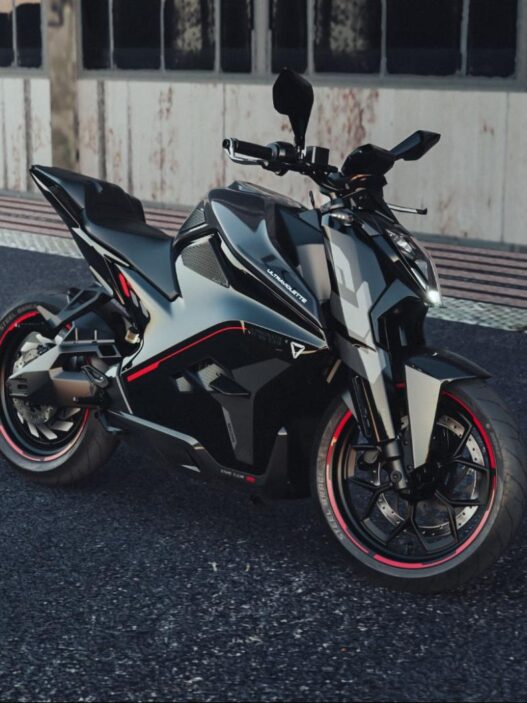
Leading this charge in India is the Ultraviolette F77 Mach 2 — a machine that combines performance, intelligence, and innovation, setting the tone for India’s electric racing revolution.
Meet The Future of Indian Performance Motorcycles: Ultraviolette F77 Mach 2

credit: © ultraviolette
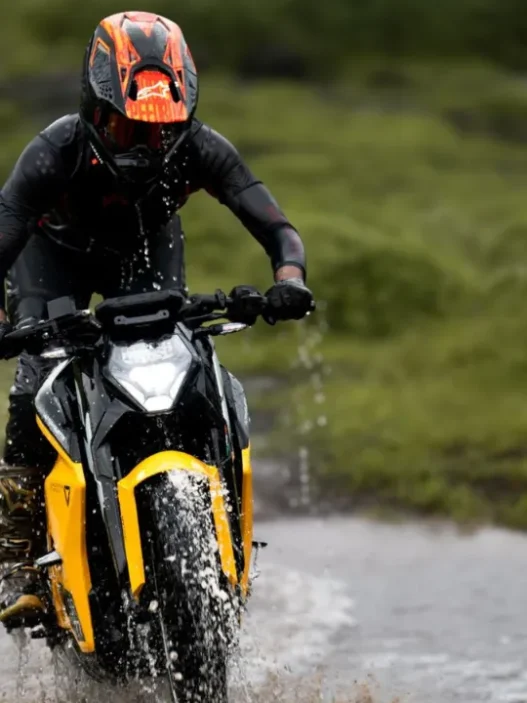
The Ultraviolette F77 Mach 2 is here to shatter the myth that electric motorcycles lack speed or excitement. With its cutting-edge technology, exceptional performance, and thrilling acceleration, it doesn’t just compete — it leads. This is India’s high-speed electric future, built for those who demand power, precision, and innovation in one bold machine.
Here’s why the F77 Mach 2 is a game-changer:
- Insane Acceleration: 0–60 kmph in just 2.8 seconds. Blink, and you’ll miss it.
- Massive Battery Power: 10.3 kWh SRB7 lithium-ion battery, giving you a whopping 323 km range on a full charge.
- Top Speed: 155 kmph, because who said electric motorcycles can’t be fast?
- Unmatched Torque: 100 NM of torque (40.2 hp) for that instant power surge.
- High-Performance Braking: 320 mm front & 230 mm rear disc brakes with dual-channel ABS – because speed needs control.
- Advanced Suspension: 41 mm USD front forks & adjustable mono-shock for smooth handling on Indian roads.
- Smart Features & AI Assistance: The Violette AI system monitors 3,000 data points per second, helping you optimize your ride. It even suggests the best riding mode based on your style.
- Multiple Riding Modes: Choose from Glide, Combat, and Ballistic, whether you want efficiency or pure performance.
- 8-Year Battery Warranty: Ride stress-free, knowing your battery is built to last.
The Ultraviolette F77 Mach 2 isn’t just a motorcycle. It’s an experience for riders who love speed but also care about the future. And it’s proudly made in India, proving that we can build world-class electric performance machines right here at home.
- Are You Ready for the Electric Revolution?
- Electric motorcycles are not just a trend. They’re the future. With insane acceleration, zero emissions, and high-tech features, they offer a racing experience unlike anything before.
- And if you’re looking for an electric motorcycle that doesn’t just keep up but leads the pack, the Ultraviolette F77 Mach 2 is the one to watch.
- The future of motorcycle racing is electric. The question is are you ready for it?