


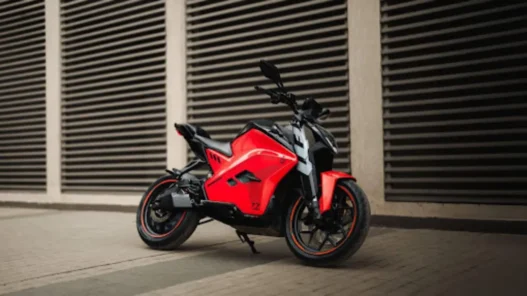
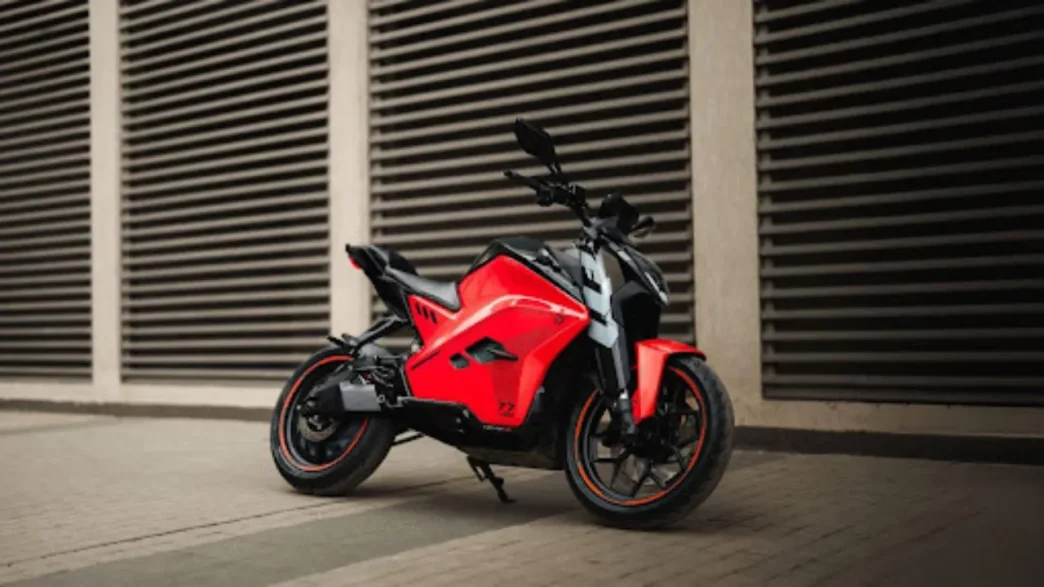
EV maintenance costs are often misunderstood, with many buyers assuming electric vehicles are more expensive to own than petrol or diesel alternatives.
It’s a Sunday morning, your bike is parked outside, and your friends are planning a long ride to Lonavala.
One of them cracks a joke, “Don’t bring your EV, you’ll spend more on fixing it than on chai and vada pav.” Everyone laughs, but you can’t help thinking, Is it true?
The truth is, this question is on the mind of almost every modern rider. Electric motorcycles look futuristic, they save fuel money, and they are better for the planet.
But in the back of your head, that old uncle-style doubt remains: Are they secretly costlier to maintain?
As someone who has studied the evolution of electric mobility closely and spoken to riders, mechanics, and manufacturers, let me break it down for you.
By the end of this article, you’ll see the full picture clearly, and you might even be tempted to take an EV for a spin.
EV maintenance costs Petrol bikes vs electric motorcycles: the real comparison
When you buy a petrol bike, you are not just paying for fuel. You are signing up for a long list of regular expenses.
Think of engine oil changes every 2,000–3,000 km, clutch plates every 10,000 km, spark plugs, filters, chains, and brake pads. These are not optional. They are the running costs of your machine.
Now flip to an electric motorcycle EV maintenance costs. There is no engine in the traditional sense. Which means no engine oil. No clutch. No spark plugs. The number of moving parts is way fewer. And fewer moving parts always mean fewer things that can go wrong.
So right from the start, the maintenance bill of an EV is lower simply because it has less that needs servicing.
The battery fear: myth vs reality
The biggest fear riders have is about the battery. “If the battery dies, I’ll go bankrupt.” This line has been repeated so many times that people have started believing it as fact.
But let’s look at reality. Modern EV batteries, especially those used by serious manufacturers, come with long warranties. In India, many premium electric bikes give a 5 to 8-year warranty on the battery and drivetrain.
That means if something goes wrong, you are covered.
Second, batteries are not like your mobile phone battery that drains quickly after two years. They are designed for thousands of charge cycles.
The hidden cost of petrol bikes
Here’s the part most people forget. Petrol bikes eat away at your wallet in small chunks. An oil change here. A chain tightening there. A carburettor cleaning. And of course, petrol every single day.
These expenses don’t look big individually, but over five years, they easily cross lakhs. And you will still not get rid of the recurring headache of “fill, ride, repeat.”
With an EV, your running cost is electricity. In most Indian cities, charging an electric bike fully costs less than a plate of biryani.
That charge can take you 150–300 km, depending on the model. Compare that with filling 10 litres of petrol at today’s price. The difference is night and day.
Service centres and mechanics: where do you go?
Another point men often raise in conversations is this: “If my EV breaks down on the road, who will fix it? My neighbourhood mechanic doesn’t understand batteries.”
That’s a fair worry. But the landscape is changing fast. Most EV brands in India are building authorised service networks. They train their technicians specifically for EVs. Some even send mobile vans to your home for minor repairs and updates.
And here’s the insider truth: EVs don’t need emergency repairs as often as petrol bikes. Since fewer parts wear out, the chances of random breakdowns are much lower.
EV Bike Insurance and resale value
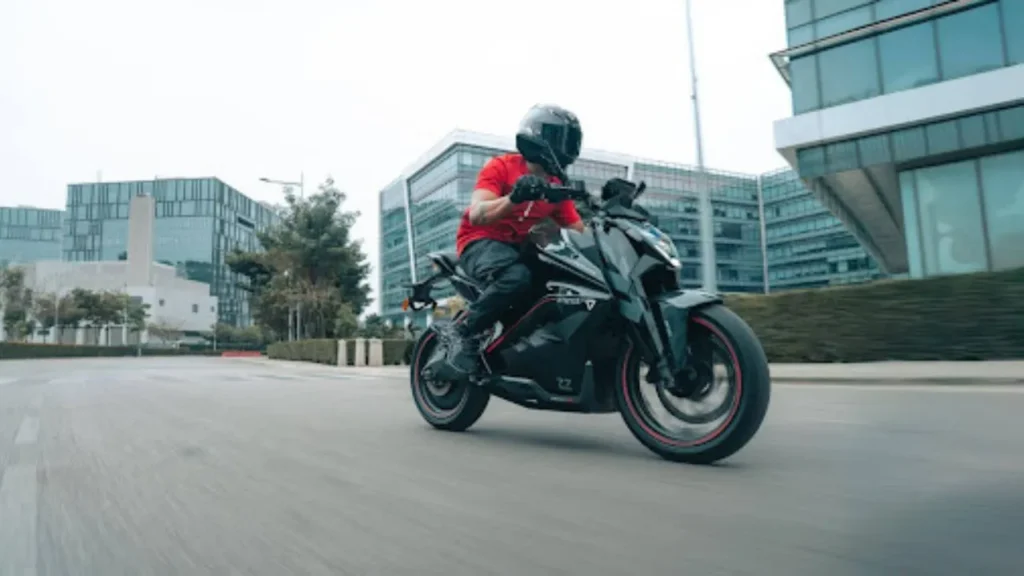
Insurance premiums for EVs are slowly coming down as the government and IRDA are encouraging adoption. Right now, they may look similar to petrol bikes, but as more riders switch, premiums will fall further.
Resale value is also improving. Earlier, people avoided second-hand EVs due to battery concerns. But with warranties and improved battery life, the second-hand EV maintenance costs market is gaining trust.
Over the next 5 years, you’ll see EV resale becoming as normal as petrol bikes.
Maintenance in lifestyle terms
Okay, enough of the technical comparisons. Let’s talk lifestyle.
For a man in his late 20s or 30s living in a city like Mumbai, Pune, or Bangalore, life is busy. You don’t want to spend your Saturdays sitting at a service centre, waiting for oil changes and carburettor tuning.
An electric motorcycle frees up that time. Plug it in at home or at your office, and it’s ready to go. The software tells you how much charge is left, when to plug in, and even how your riding habits are affecting range. It’s maintenance that feels effortless.
Think of it like switching from a manual watch you need to wind daily to a smartwatch that charges and updates itself. That is the real lifestyle upgrade EV maintenance costs give.
EV bike Long-term ownership costs
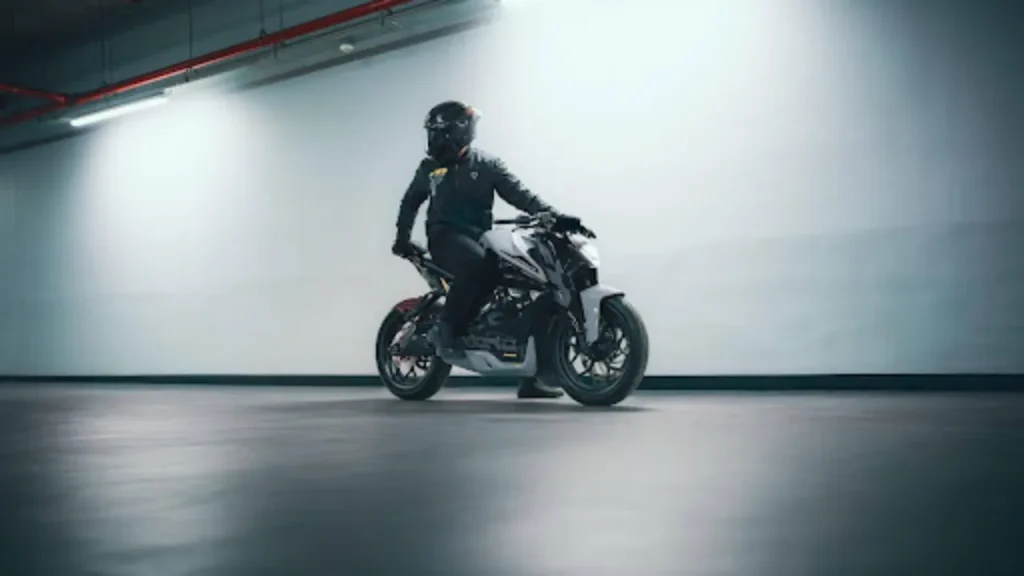
Let’s do a simple math exercise.
- Petrol bike fuel cost: Around ₹100 per litre. Average mileage of 40 km per litre. That’s ₹2.5 per km. If you ride 12,000 km a year, that’s ₹30,000 on fuel alone. In five years, ₹1.5 lakh.
- Add servicing, oil, filters, and parts replacement. Another ₹50,000 easily. Total: ₹2 lakh in five years.
Now EV:
- Charging cost is roughly ₹1 per km. For 12,000 km, that’s ₹12,000 a year. In five years, ₹60,000.
- Servicing? Mostly software updates and brake pad checks. Even if you spend ₹5,000 a year, that’s ₹25,000 in five years.
- Total: ₹85,000.
Which one sounds more expensive to maintain? The answer is clear.
The mental shift : EV maintenance costs
The real challenge is not money. It’s a mindset. As men, many of us grew up hearing our fathers and uncles talk about tuning carburettors and polishing fuel tanks. We are used to the ritual of oil changes. Switching to V feels like breaking tradition.
But think about it. Tradition also said we should write letters instead of WhatsApp. Or buy CDs instead of Spotify. Change is uncomfortable in the beginning, but it often leads to a smarter life.
Owning an EV maintenance costs is like that. It is less about repairing machines and more about enjoying the ride without the hidden costs.
Where Ultraviolette bikes come in
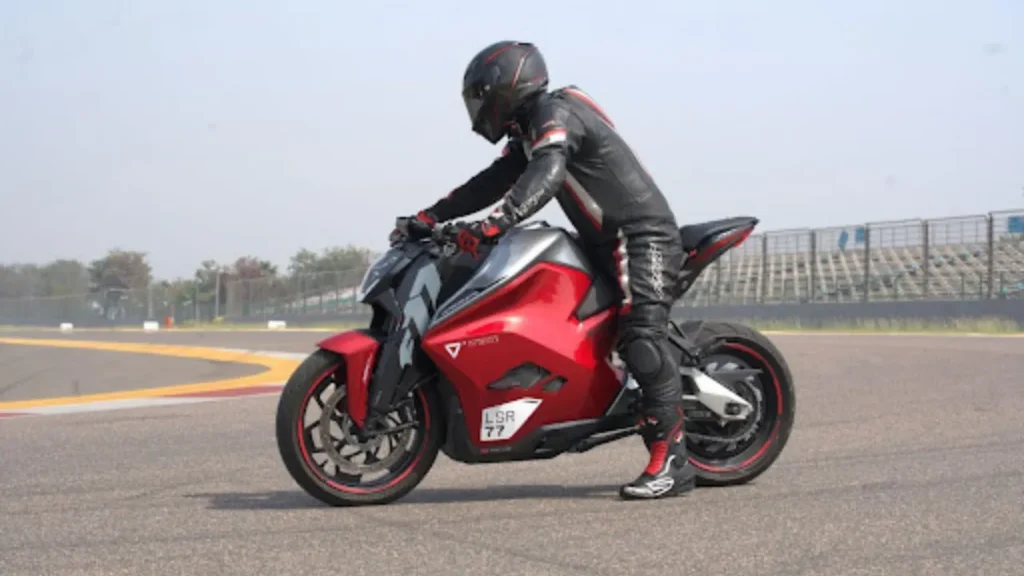
Now that we’ve busted the myth, let’s look at the most exciting part: which EV maintenance costs should you actually consider?
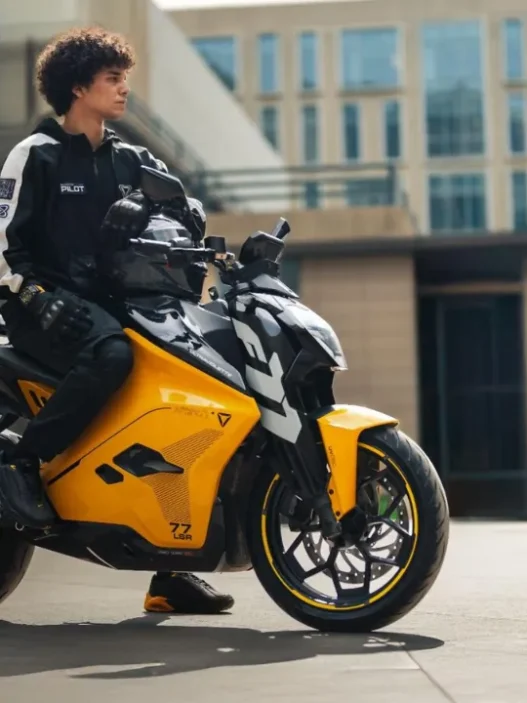
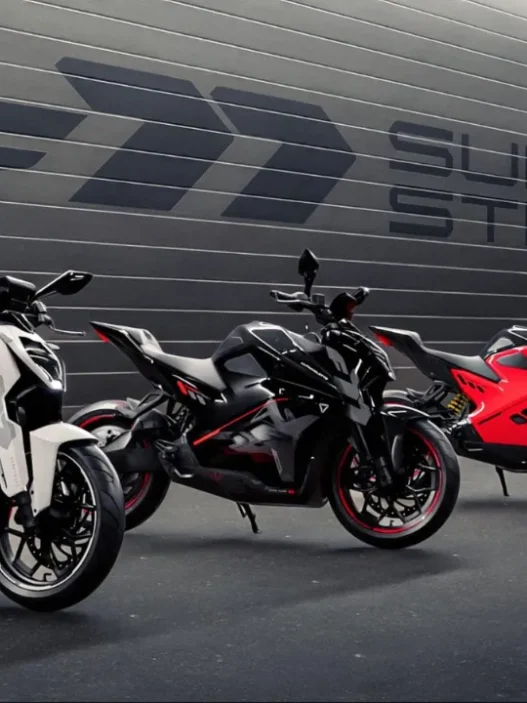
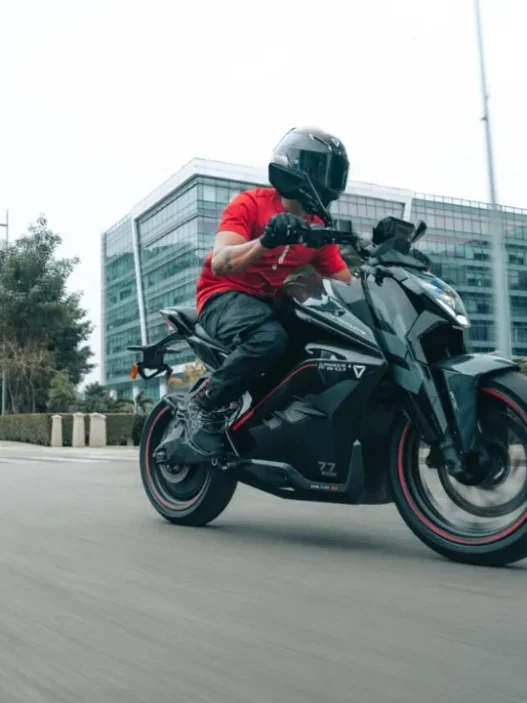
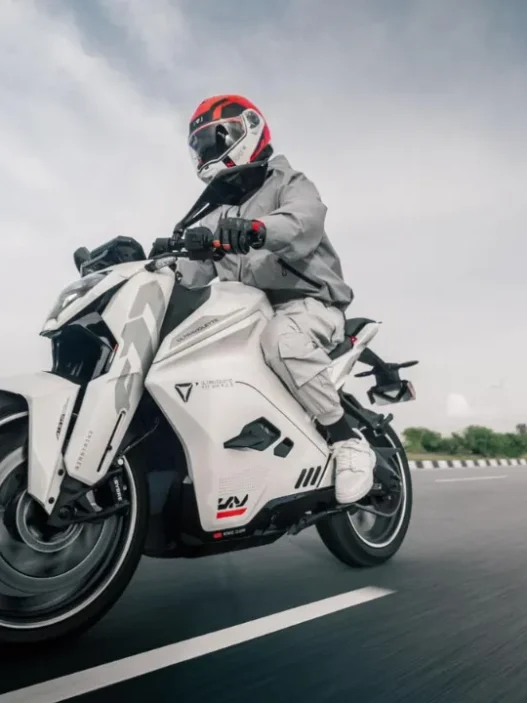
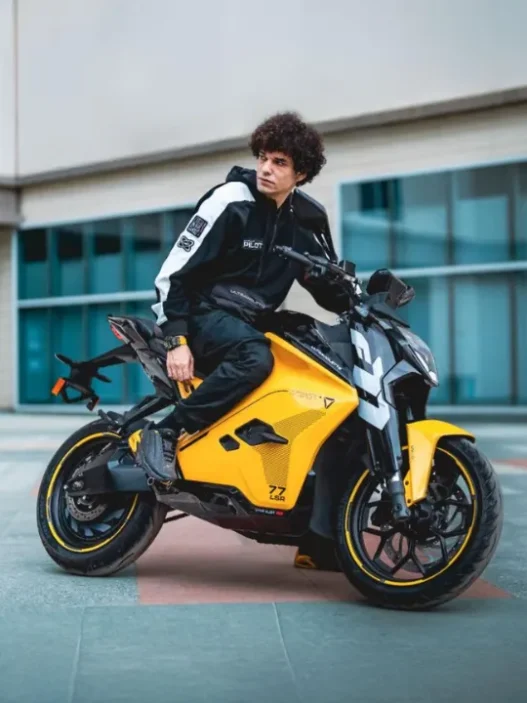
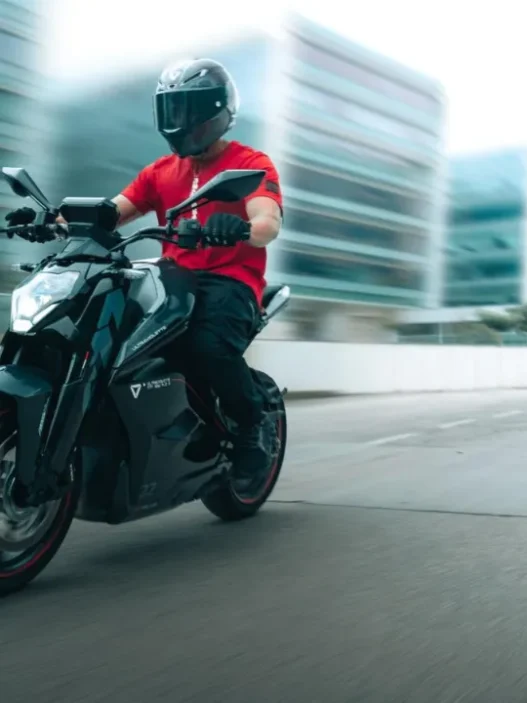
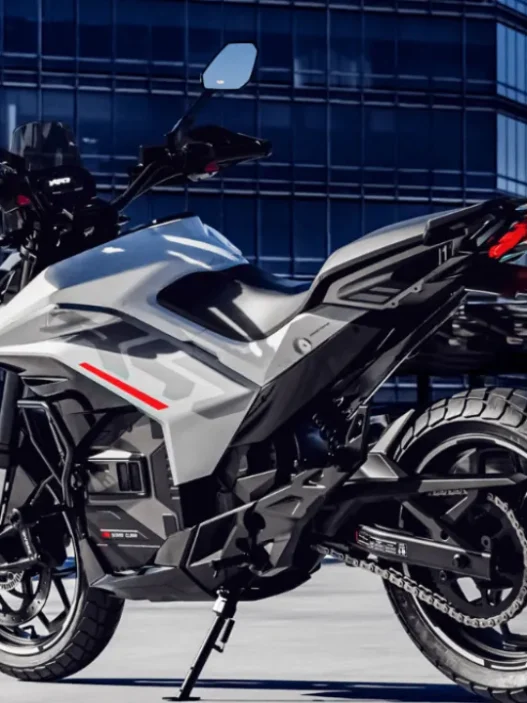
Ultraviolette has emerged as one of the most trusted names in India’s performance EV maintenance costs space. Their bikes are not just about saving fuel money; they are designed to give you a premium riding experience with cutting-edge technology.
With ranges going above 300 km on a single charge, acceleration that matches superbikes, and advanced features like regenerative braking, traction control, and smart connectivity, Ultraviolette bikes prove that performance and practicality can co-exist.
More importantly, they come with strong warranties on both battery and drivetrain. Which means your biggest worry, the battery, is taken care of. And with their growing service network, you won’t be left stranded.
Time to take a test ride
So, are EV maintenance costs really more expensive to maintain? No. The opposite is true. Once you strip away the myths, you’ll see that EVs are simpler, cheaper, and smarter to live with.
And if you want to see this for yourself, don’t just read. Take action. Book a test ride of an Ultraviolette bike. Feel the difference in cost, performance, and lifestyle first-hand. That’s the only way to truly know that the future of biking is not about spending more, it’s about riding smarter.