






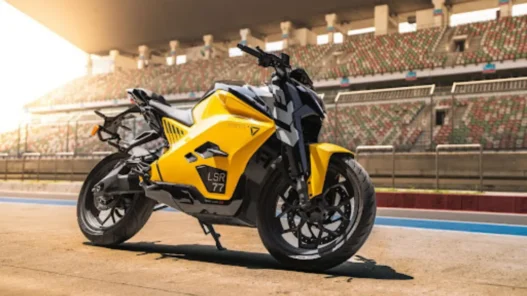
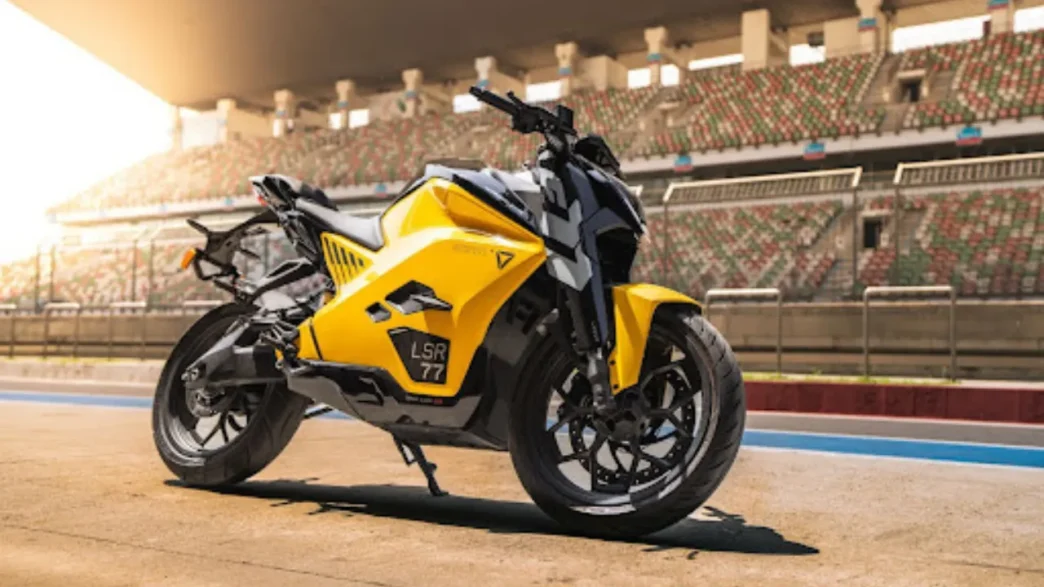
So you’ve been scrolling through reels of gorgeous electric bikes on Instagram. Sharp design. Crazy acceleration. Smart features.
But just when you’re about to take them seriously, that one voice inside your head says, “But will it go far enough?”
If that’s you, welcome to the club.
And also, let’s talk.
Because what you’ve heard about range is not entirely true anymore. In fact, it’s a few years old now. Kind of like comparing a Nokia 1100 to an iPhone 15 and saying, “Yaar, phones can’t take good pictures.”
Let’s put this myth to rest like a bad Bollywood sequel.
This is the no-fluff guide to what range really means, why your assumptions are probably wrong, and how India’s new-age electric motorcycles are ready for way more than city traffic.
Where the Range Fear Comes From (And Why It’s Outdated Now)
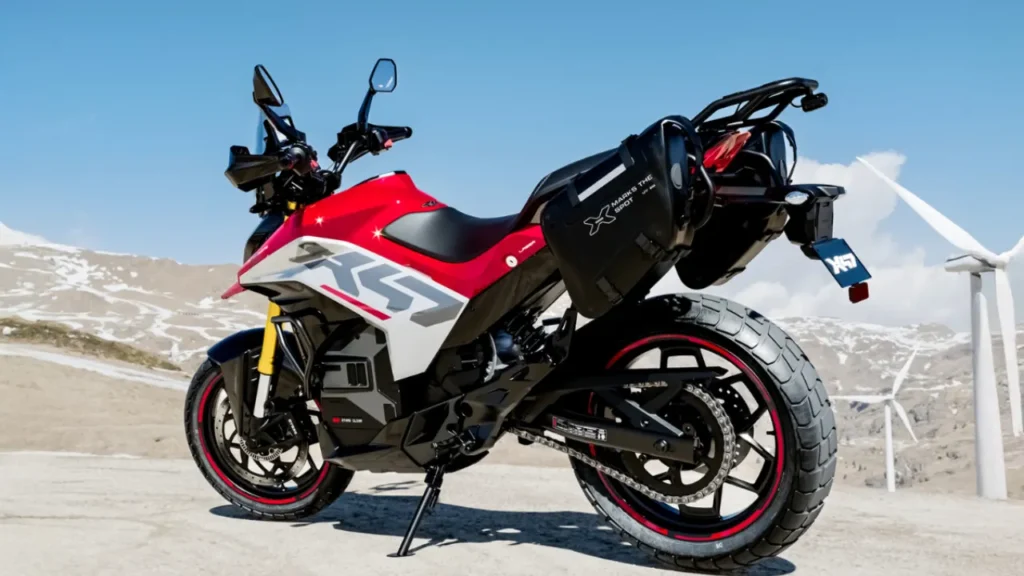
To be fair, the fear started with logic. When electric scooters first entered Indian roads, they barely managed 40 to 50 km on a full charge. That too, if you rode slow, didn’t use too much throttle, and didn’t have a pillion.
People saw those scooters and assumed that’s what all EVs were like: slow, short-range, and for grocery runs only.
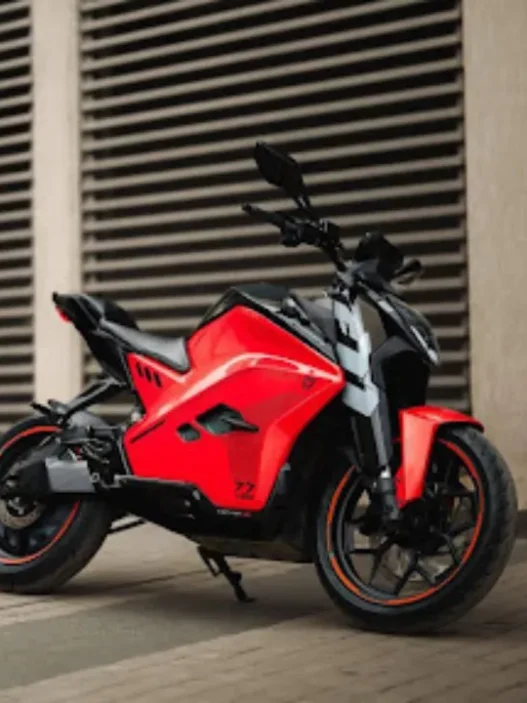
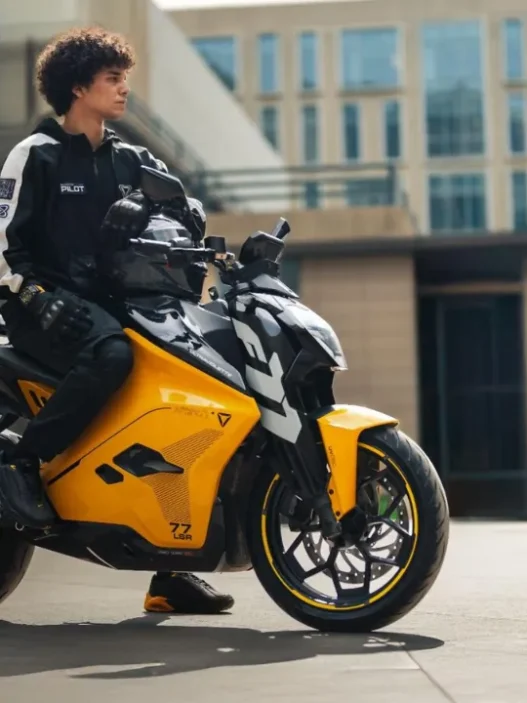
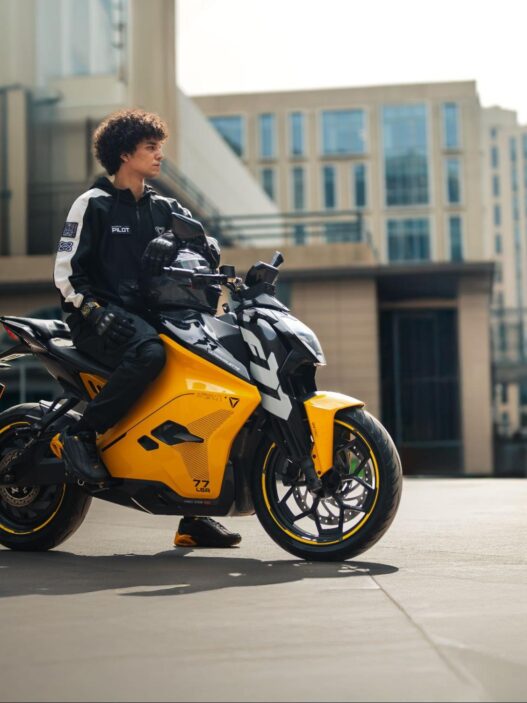
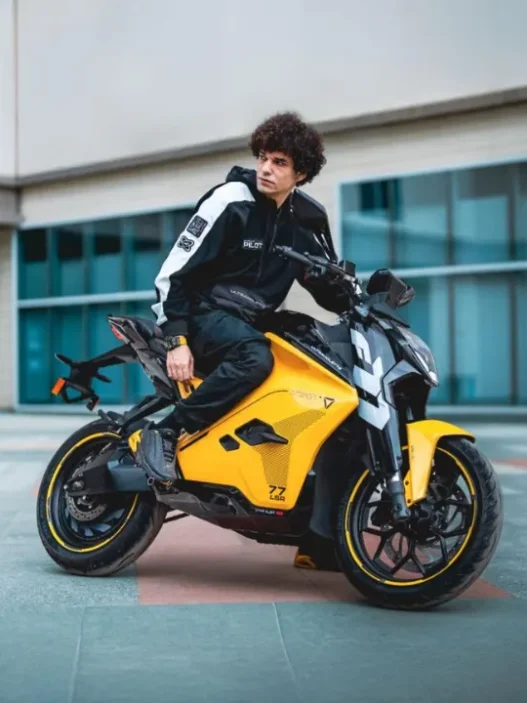
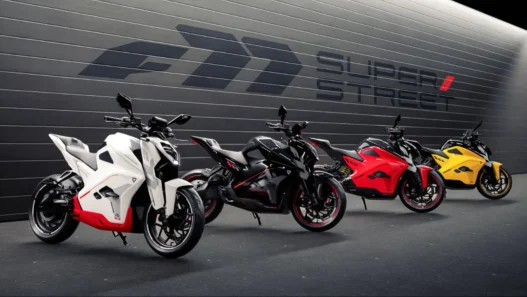
But what many people don’t realise is that today’s electric motorcycles are not built like those scooters at all. Especially performance electric bikes like the Ultraviolette Superstreet F77, they’re engineered for real rides, serious distances, and highway-level performance.
Let’s Talk Numbers (Because Feelings Can Lie, Specs Don’t)
Here’s what you should be looking at when thinking about long rides on an electric motorcycle:
1. Battery Capacity
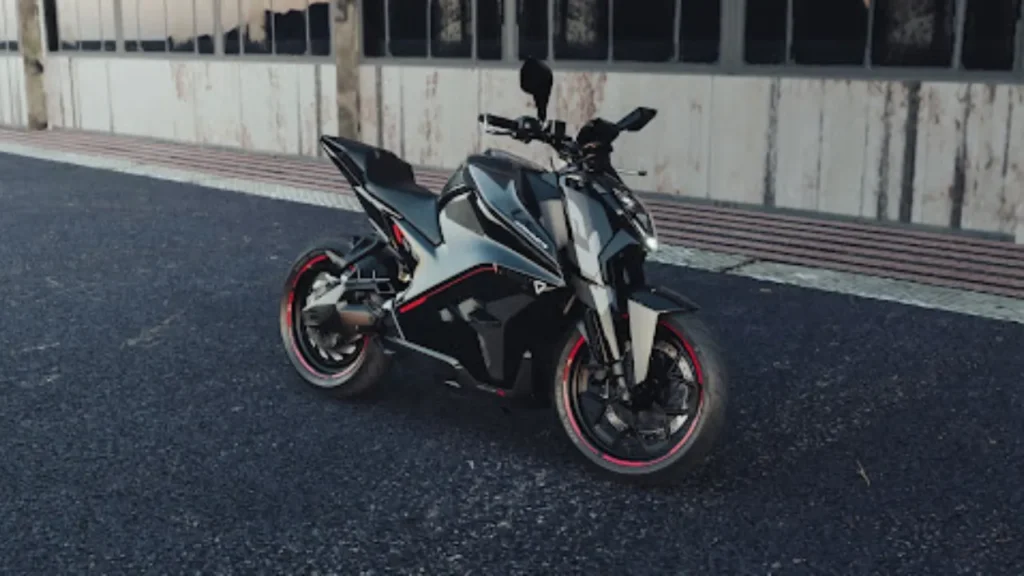
Battery size is like your fuel tank. Bigger battery = longer ride. The F77 Recon, for example, comes with a 10.3 kWh battery. That’s massive for a two-wheeler.
Compare that with an average petrol bike that carries 12–13 litres of fuel, and you’ll realise we’re not talking about little scooter batteries anymore.
2. Realistic Range
Forget those “ideal test lab” numbers that nobody ever sees in real life. Let’s talk about realistic road performance.
The Ultraviolette F77 Recon delivers:
- Up to 323 km on a single charge (IDC estimate)
- Around 266 km in regular city + highway riding
- Even in aggressive mode, you’re still looking at 186–209 km
Now ask yourself: when was the last time you rode over 200 km in one stretch without taking a break?
Long Rides Aren’t Theory Anymore. People Are Already Doing Them.
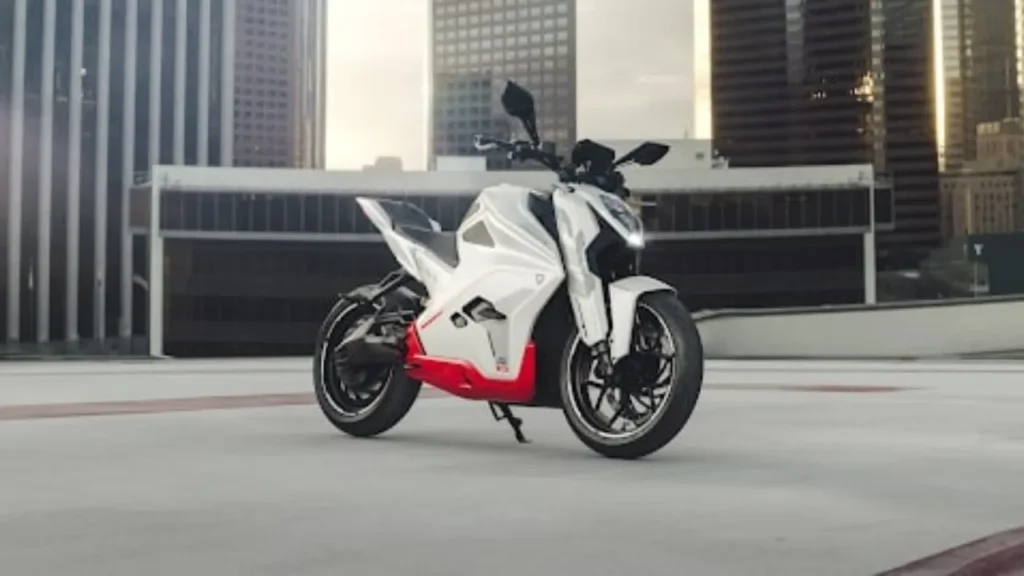
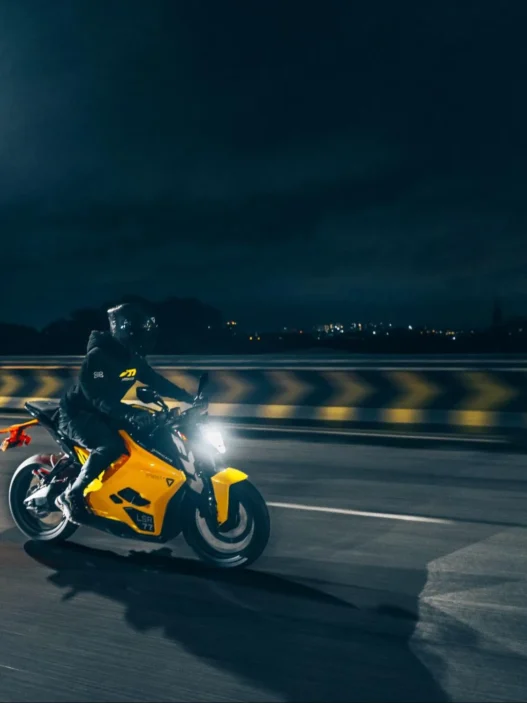
Across India, F77 riders have already completed serious highway runs. From Bangalore to Ooty, Mumbai to Goa, Hyderabad to Bengaluru, and even coastal stretches like Bengaluru to Kanyakumari, the bike has proven it can easily handle 250 to 300 km legs with realistic breaks for charging. Many community riders have clocked 500 km multi-stop loops over weekends, using fast chargers at cafés, malls, and rest stops. These aren’t brand ads. These are real journeys shared on YouTube and rider forums.
1. Bangalore to Ooty Road Trip
Several F77 owners have completed the Bangalore to Ooty ride, which crosses multiple terrains and steep inclines.
Distance covered: 270 to 300 km
Highlights:
- Riders used a mix of regen levels for downhill sections
- Fast charging at Mysore made the journey smooth
- The bike handled ghat roads with strong throttle response
This ride is often cited as proof that the F77 is not just a city machine but a genuine touring performer.
2. Mumbai to Goa on the F77
This is one of the most popular documented long rides.
Distance covered: 590+ km round trip
Highlights:
- Riders charged at cafés and hotel parking areas on the highway
- Consistent real-world range of 200+ km per cycle at mixed riding speeds
- Bike remained thermally stable even on long coastal stretches
Riders say the F77’s predictable battery management made the trip more relaxed than some petrol bikes.
3. Hyderabad to Bengaluru Intercity Ride
Distance: 570 km
Highlights:
- Riders spaced their breaks every 150 to 180 km
- Efficient charging at malls and highway rest stops
- Regen levels helped increase range on downhill sections
This route showed that the F77’s charging flexibility makes interstate travel practical.
4. Bengaluru to Kanyakumari Coastal Run
Distance: 660 km
Highlights:
- Multiple riders attempted this route over 2 days
- F77 maintained stable performance across long coastal winds
- Fast charging allowed them to sync charging time with food and rest breaks
This trip highlights touring comfort on long, open highways.
5. Bengaluru to Coorg Ride
Distance: 240+ km
Highlights:
- Hilly terrain tested the bike’s throttle response and torque
- Riders liked the instantaneous power during steep climbs
- Most completed the ride with just a single charging break
A favourite among early adopters because it shows how the F77 feels on winding, scenic roads.
6. 500+ km Multi-Stop Touring Loops by Community Riders
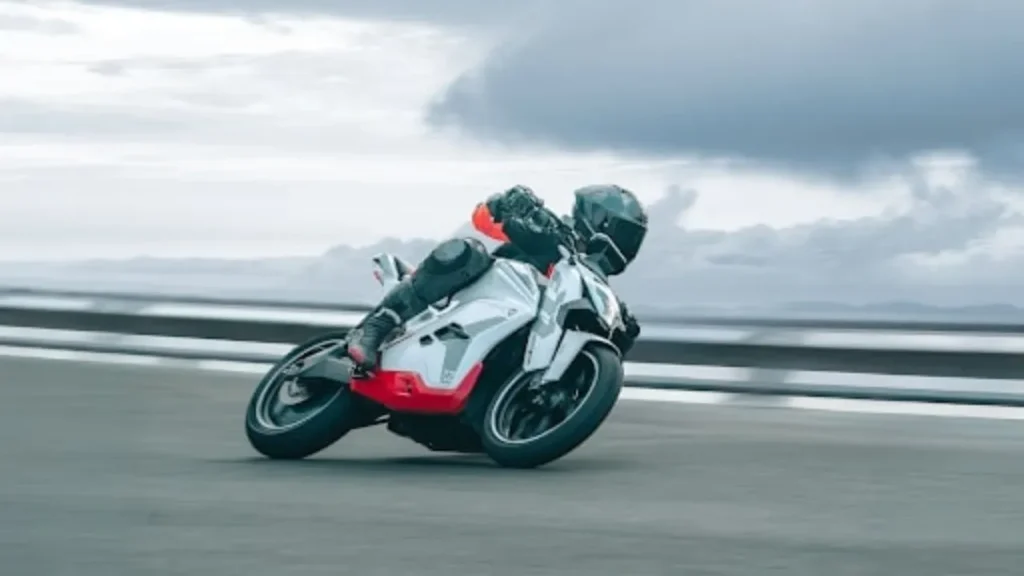
Many F77 groups regularly share documented rides such as:
- Hosur to Yercaud loops
- Bengaluru to Chikkamagaluru
- Pune to Mahabaleshwar
- Hyderabad to Srisailam forest route
Outcomes across these rides:
- Reliable highway range of 180 to 220 km
- Riders typically charge during natural breaks
- UV Lync app helps plan stops along Type 2 chargers
These community rides are strong social proof of the bike’s long-distance capability.
The Real Question Isn’t “How Much Range?” It’s “How Do You Ride?”
Most of us ride in bursts. Home to office. Office to the gym. Long Sunday rides to Lonavala or Nandi Hills. Yes, we may go on 300 km+ road trips once in a while, but daily life? It’s mostly under 100 km a day.
And for that kind of riding, you don’t even need to charge your electric motorcycle every day. Imagine plugging in once every 3 or 4 days, like your phone. That’s the level we’re talking about.
Even if you’re going on a long ride, the new crop of EVs comes with fast charging options that can get you back to 80% in under 2 hours. Go grab lunch, chill, check your maps, and you’re good to go again.
“But What About Charging Spots on the Highway?”
This is the part that gets interesting. If you ride a petrol bike, you depend on petrol pumps. With electric, you can charge at home, at work, or anywhere there’s a plug point. That’s more flexibility than people realise.
Still worried about charging while on the go? Performance electric brands like Ultraviolette are already building fast-charging networks like UV Supersonic and UV Lync, which work with common Type 2 chargers across India.
Think of it like this, petrol bikes needed petrol stations to become mainstream. EVs are creating many more charging options across cafes, malls, parking lots, and highway stops. The ecosystem is getting ready.
Your Body Needs a Break. So Does Your Bike.
This is one of the most underrated truths about long rides.
Even if your bike could do 500 km without stopping, would you?
Most bikers stop every 150–200 km anyway. To stretch. To eat. To chill. To click a few photos.
That’s your charging window right there. Plug in, breathe easy, and continue the journey. You’re not losing time. You’re just syncing with your body’s natural breaks.
Riding an electric motorcycle on a long journey is less about panic and more about planning. And planning, my friend, is something Indian riders are already good at. We know how to hustle.
Let’s Talk Cost Per Ride: This Part Will Blow Your Mind
This is where EVs win without even trying.
Let’s do a quick calculation.
A petrol bike that gives 35 km/l with petrol at ₹105 per litre? That’s ₹3 per kilometre.
An electric bike like the F77? Roughly ₹0.40 to ₹0.60 per km, depending on your electricity tariff.
So a 200 km long ride:
- Petrol bike = ₹600
- Electric motorcycle = ₹80 to ₹120
That’s almost ₹500 saved every time you go for a highway trip. Do that 10 times a year and you’ve already covered the cost of a helmet, jacket, and gloves.
And we haven’t even started talking about service savings. No oil changes. No spark plugs. No clutch. No chain maintenance. Just ride, charge, repeat.
Range Anxiety Is a Software Problem, Not a Hardware One
Modern electric motorcycles come with:
- Smart dashboards
- Daily ride analytics
- Live range tracking
- Battery heat monitoring
- Trip planners
- Regenerative braking to charge while riding
So it’s not just about how far your bike can go, it’s about how smartly it helps you ride.
With 3 to 10 levels of regenerative braking, smart AI systems, and real-time feedback, you’re always in control. It’s like having a co-pilot that’s looking after your battery while you focus on the road.
Long Rides on EVs Are Already Happening in India
Don’t believe me?
There are already riders who’ve:
- Done Bangalore to Ooty and back
- Completed Mumbai to Goa runs
- Taken EVs to hill stations and coastal highways
- Done 500+ km journeys with stopovers and fast charging
These aren’t brand ads. These are real riders sharing their experiences on YouTube and rider forums. You’ll find vlogs, stories, breakdowns, and learnings. The verdict is clear: long rides on electric motorcycles are not a fantasy anymore.
The Lifestyle Factor: Why Men Are Making the Switch
Let’s be honest. No one rides just for transport.
You ride for the rush. For the break from routine. For the freedom.
And what’s more freeing than:
- A bike that charges like your phone
- A ride that feels futuristic and effortless
- A machine that respects your time and money
- A vehicle that looks like it came out of a sci-fi film
It’s not about being eco-friendly or modern. It’s about being smart, fast, and free, and electric motorcycles tick all three boxes now.
Ultraviolette Superstreet F77: The Bike That Ends the Debate
If you’ve reached this point in the article, you’re probably ready to take EVs seriously.
And the Ultraviolette F77 is the reason many riders across India already have.
Let’s look at what makes it the most long-distance-ready electric motorcycle in the country:
- 323 km claimed range (IDC)
- 10.3 kWh battery with patented safety layers
- 0–60 kmph in 2.8 seconds
- Fast charging: 80% in just 1.5 hrs
- Smart features like crash alerts, AI analytics, theft control
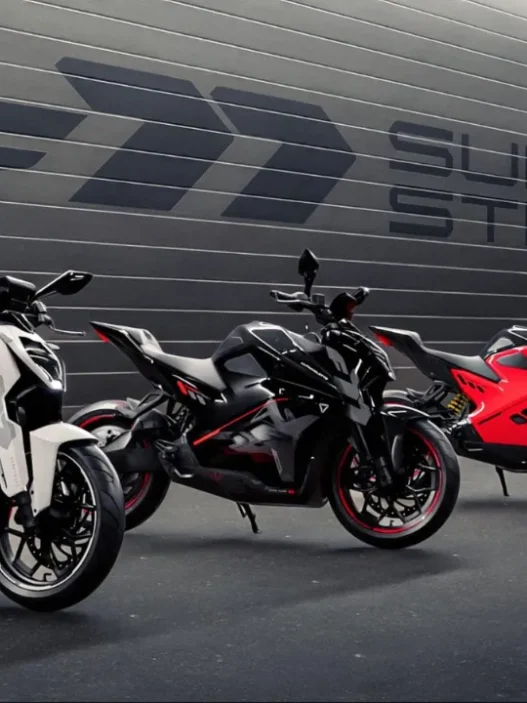
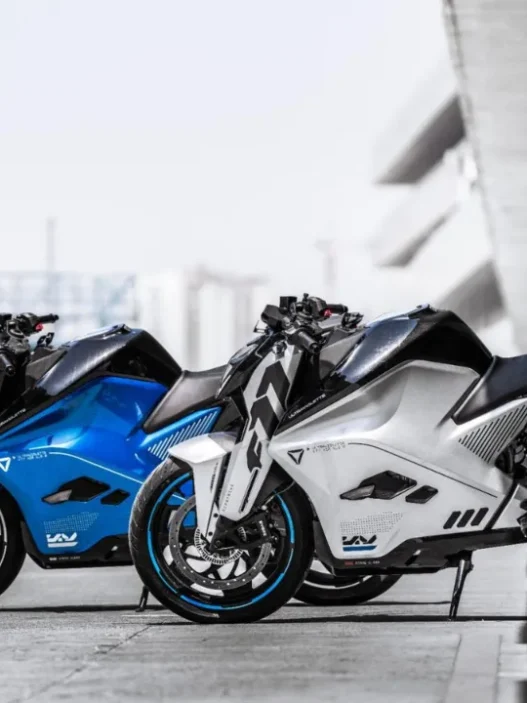
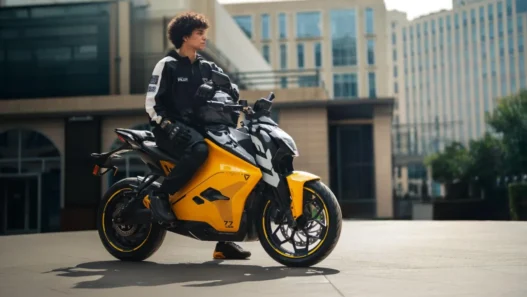
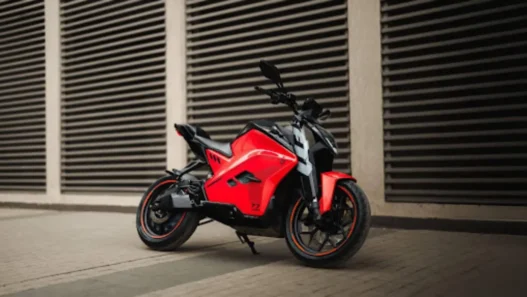
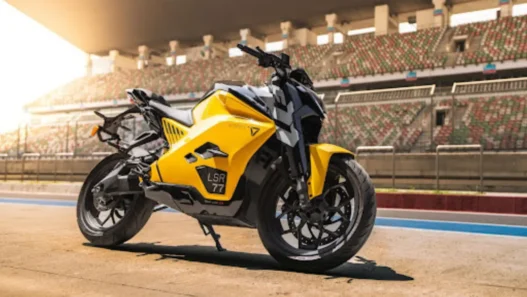
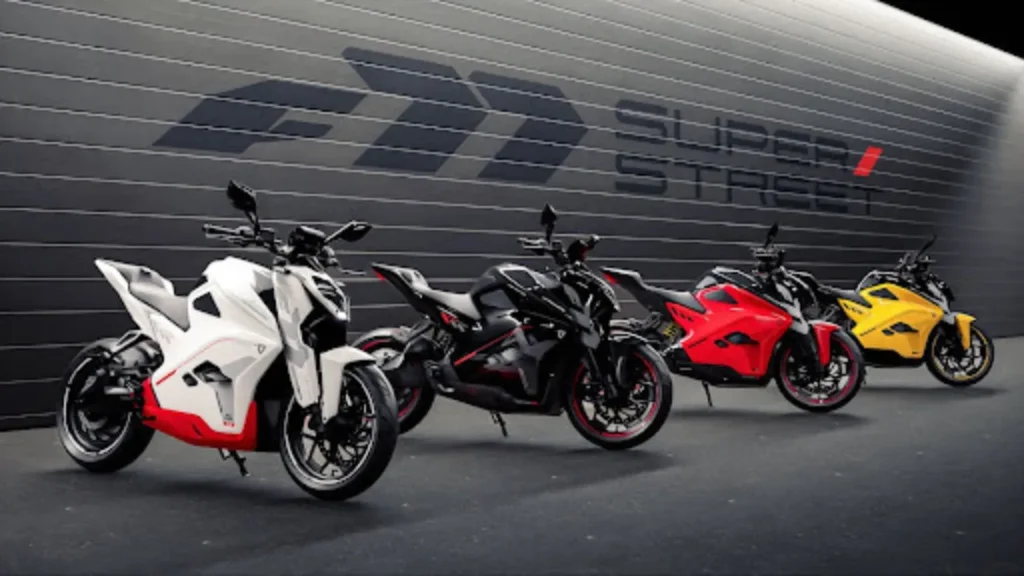
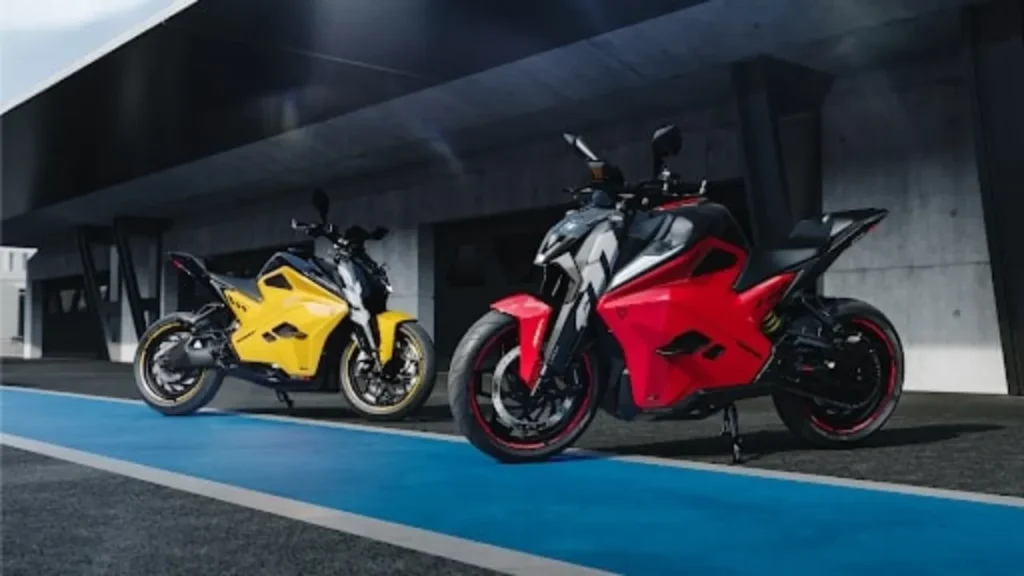
- Bold colourways: Afterburner Yellow, Turbo Red, and Shadow Black
- Ultra-V LED lighting, TFT console, radar-based UI themes
- Top speed: 155 kmph
From looks to range to smart features, this is not your average city EV.
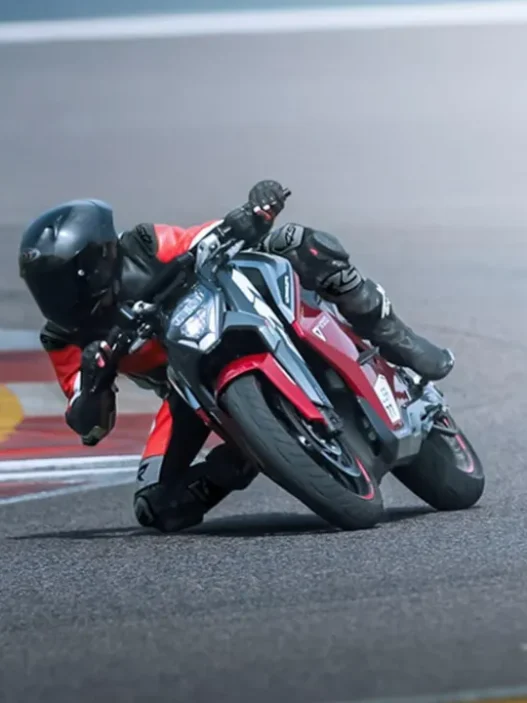
This is a proper, highway-ready, track-capable, long-ride-friendly machine that was made to bust the old myths, not live under them.
Don’t Just Read Reviews. Ride One.
Here’s the truth. You can Google range figures. You can compare petrol vs electric. You can ask your friends.
But nothing beats taking a test ride yourself.
Feel the acceleration. See the battery indicator barely move after 20 km. Try out the ride modes. Check your ride stats on the app.
Once you do that, you’ll never again ask, “Can it go far?”
You’ll ask, “How soon can I go again?”